A Bridge to Heritage
For the South Asian diaspora scattered across the globe, the Urdu language is a vital bridge connecting them to their cultural heritage. As generations grow up in Western countries, the risk of losing the mother tongue increases. Learning Urdu allows individuals to communicate deeply with their elders, preserving family histories and cultural traditions.
Access to Rich Islamic Literature
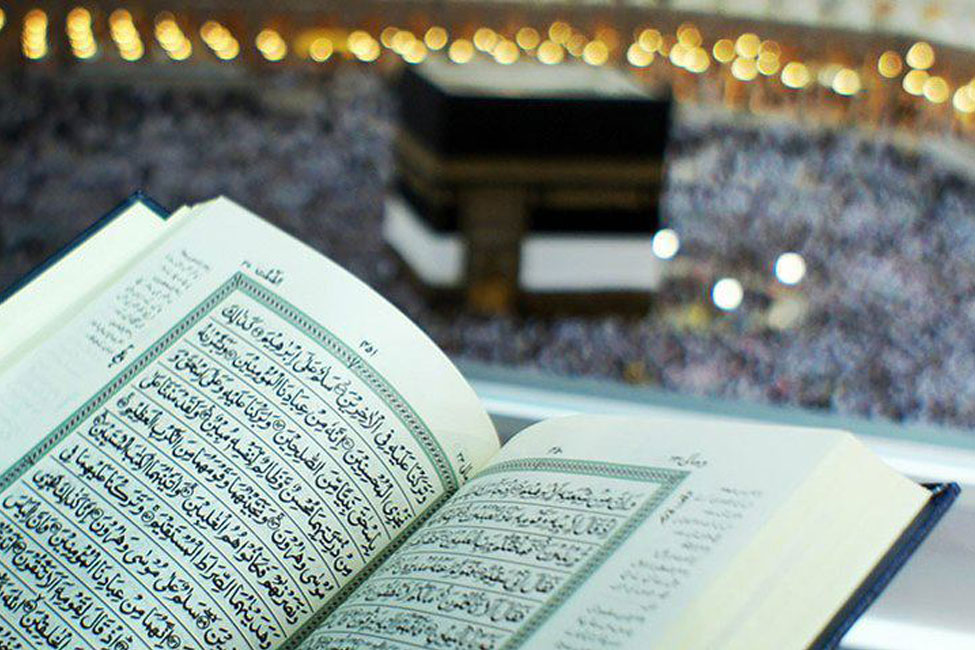
Urdu is one of the most significant languages in the Islamic world. A vast repository of Islamic literature, including profound Tafseer (Quranic exegesis), Hadith commentaries, and spiritual poetry, is written in Urdu. By mastering the language through an Urdu Language Course, students gain direct access to the wisdom of great scholars from the subcontinent without relying on translations.
The Language of Poetry and Politeness
Urdu is globally renowned for its elegance, politeness (Adab), and poetic richness. It is a language where even everyday conversation can sound like poetry. Learning Urdu exposes students to a world of refined expression, teaching them cultural nuances of respect and courtesy that are deeply embedded in the vocabulary.
Strengthening Community Bonds
Speaking Urdu fosters a strong sense of belonging within the community. Whether it's attending religious gatherings, cultural events, or simply socializing, fluency in Urdu allows individuals to participate fully and meaningfully. It breaks down barriers and builds strong communal ties across the diaspora.
Conclusion
Learning Urdu is much more than acquiring a linguistic skill; it is about preserving identity. By investing time in learning Urdu online, the diaspora can ensure that this beautiful language, and the rich cultural and religious heritage it carries, is passed down to future generations.